




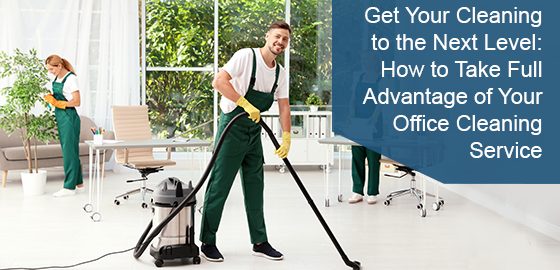
A clean office is more than just an attractive workplace—it supports employee wellbeing, productivity, and a professional company image. With modern workplaces becoming busier and more collaborative, traditional dusting and mopping alone are no longer enough. A well-planned office cleaning service should combine routine cleaning, high-touch disinfection, smart technology, and preventive maintenance.
If you want maximum cleanliness, here are eight essential office cleaning tasks that can help create a healthier, fresher, and more productive work environment.
- Deep Cleaning of Workstations and Desks
Workstations collect dust, fingerprints, food particles, and bacteria throughout the working day. Professional cleaners should thoroughly clean desks, partitions, chairs, drawers, keyboards, and other frequently used surfaces.
An effective office cleaning service should include microfiber cleaning techniques and suitable surface-safe products. Cleaning shared desks at regular intervals is particularly important in hybrid offices where different employees may use the same workspace.
- High-Touch Surface Disinfection
Door handles, elevator buttons, light switches, printer controls, conference-room tables, and shared equipment are touched repeatedly throughout the day. These areas deserve special attention.
Modern commercial office cleaning programs increasingly focus on high-touch zones instead of treating every surface identically. Using appropriate disinfectants and allowing sufficient contact time can make routine cleaning more effective while reducing unnecessary chemical use.
- Carpet and Upholstery Cleaning
Carpets and office furniture can trap dust, allergens, hair, and microscopic particles. Regular vacuuming is essential, but periodic deep cleaning is also needed to remove embedded dirt.
Professional carpet extraction, low-moisture cleaning, and upholstery care can refresh the workplace without unnecessarily disrupting business operations. A good Office Cleaning Company in Pickering can recommend a cleaning schedule based on foot traffic and the type of flooring and furniture.
- Restroom Sanitization and Odor Control
Office restrooms require a detailed cleaning routine because they are high-use areas. Toilets, sinks, faucets, mirrors, floors, partitions, and frequently touched surfaces should be cleaned and disinfected systematically.
Modern restroom maintenance can also include touchless soap dispensers, automatic air freshening systems, sensor-based fixtures, and regular inspection schedules. These improvements can help maintain better office hygiene throughout the day.
- Kitchen and Breakroom Cleaning
Shared kitchens and breakrooms can quickly become sources of unpleasant odors, food residue, and bacterial buildup. Cleaning should cover countertops, sinks, cabinet handles, tables, appliances, floors, and frequently touched surfaces.
A professional commercial cleaning service should also pay attention to refrigerator handles, microwave touch panels, coffee machines, and other shared appliances. Scheduled deep cleaning can prevent grease and food buildup from becoming difficult to remove.
- Air Quality and Vent Cleaning
Clean floors and desks are important, but indoor air quality should not be overlooked. Dust can accumulate around vents, air returns, fans, and other areas where air circulates.
Regular dust removal around ventilation points, combined with appropriate HVAC maintenance by qualified professionals, can support a cleaner indoor environment. Modern office cleaning services can also use HEPA-filter vacuums to capture fine particles more effectively.
- Eco-Friendly and Low-Chemical Cleaning
Sustainable cleaning is becoming an important part of modern workplace maintenance. Instead of relying heavily on harsh chemicals, businesses can consider microfiber systems, concentrated products, refillable containers, and environmentally preferable cleaning solutions where appropriate.
An eco-friendly office cleaning service can help reduce unnecessary waste while maintaining high cleaning standards. The goal is not simply to use more products, but to use the right product, equipment, and method for each surface.
- Smart Cleaning Schedules and Preventive Maintenance
One of the latest approaches to office cleanliness is using data and technology to improve cleaning schedules. High-traffic areas may need more frequent attention than rarely used rooms.
Cleaning teams can use digital checklists, QR-based inspection systems, occupancy information, and task-tracking software to monitor completed work. This creates greater accountability and allows businesses to identify problem areas before they become major cleanliness issues.
Conclusion
Maximum office cleanliness requires more than occasional dusting and vacuuming. A comprehensive Office Cleaning Service in Pickering should cover workstations, high-touch surfaces, carpets, restrooms, kitchens, air-quality areas, and preventive maintenance. Adding sustainable cleaning practices and smart scheduling can make the process even more efficient.
By combining professional expertise with modern cleaning methods, businesses can create a workplace that looks professional, feels fresh, and supports a healthier environment for employees and visitors. Whether you manage a small office or a large commercial facility, investing in consistent Commercial Office Cleaning in Pickering is a practical way to protect your workplace and maintain a strong professional image.